





Miloš Šejn | Českých Bratří 312 | CZ-50601 Jičín | T +420 723 701 658 | milos [at-sign] sejn.cz
AllForWeb | © 2008 sejn
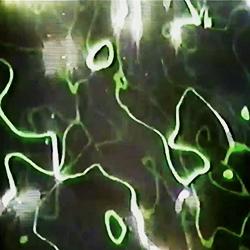 Distorted Image. Chapters from the beginnings of video art
 EST/OUEST TCHÉQUIE #211
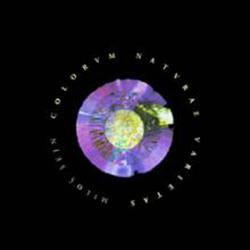 Disk cannot be read
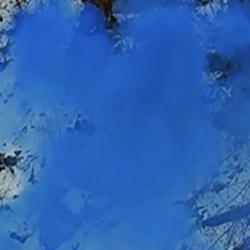 Místa snivců / Lenka Falušiová & Miloš Šejn
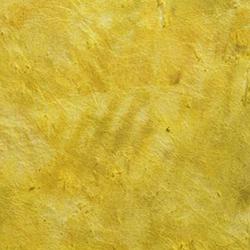 Ani labuť ani Lůna
 ZATVÁŘÍ / COUNTENANCE
 Silent Spring: Art and Nature 1930–1970
 Creation – Myth – Art
 DIVERSITY CONTEMPORARY II
 PAF 2024 / DIARIES - Deposit of Memory: Video Works by Miloš Šejn from 1988-2022
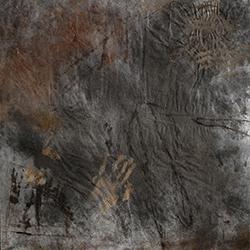 THROUGH THE LABYRINTH
 LANDSCAPE FESTIVAL PRAGUE 2024
 ANIMA MUNDI | VISIONS – ITSLIQUID INTERNATIONAL ART FAIR | VENICE 2024
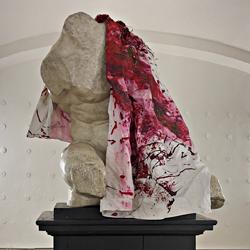 MEMORY DEPOSIT
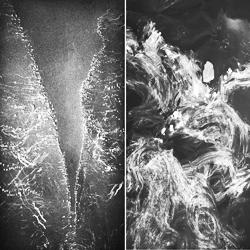 KOR . KON . TOI . 0 0 1 – Miloš Šejn / Adriena Šimotová
 BECOMING GARDEN…
 Heraclitus principle / One hundred years of coal in Czech art
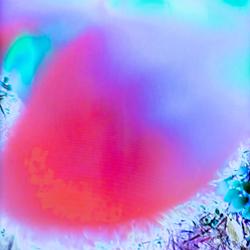 SYMBIOSIS
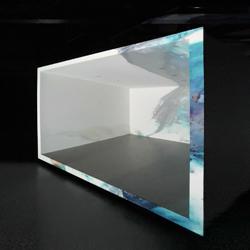 1 : 1 : 1
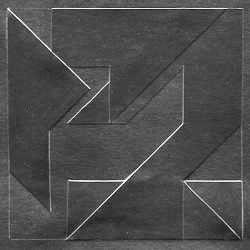 Wege in die Abstraktion im Dreiländereck II
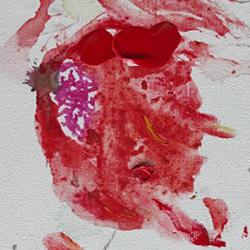 BIRTHDAY
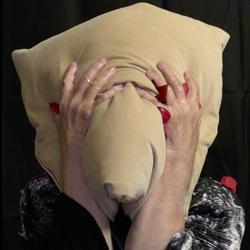 Face for SU–EN
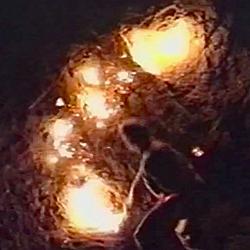 Valoch & Valoch / Archeology And Conceptual Art
 Wege in die Abstraktion im Dreiländereck
 AQVA
AQVA KINETISMUS: 100 Years of Electricity in Art
 EMERGENCY EXIT
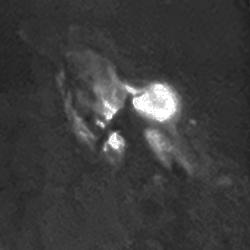 MAN IN THE CAVE
 ÍHMNÍ
ÍHMNÍ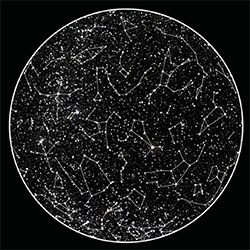 SEMI-OPEN
 Zdzisław Jurkiewicz. Occurrences
 Art Safari 36: TOGETHER
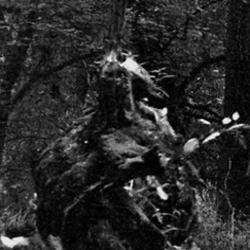 ART, MELANCHOLY AND LAUGH FACES IN THE FACE OF ABSURDITY
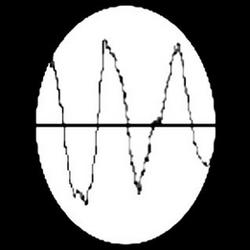 KRAJINA + / LANDSCAPE +
 WATER
WATER ATLAS NEW CONSTELLATIONS
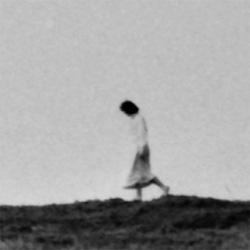 FOR THE LAST FIFTY YEARS
 PILGRIMAGE TO THE MOUNTAINS
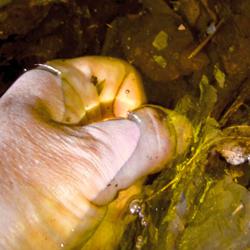 Fotograph Festival #X UNEVEN GROUND
 Í T H M N
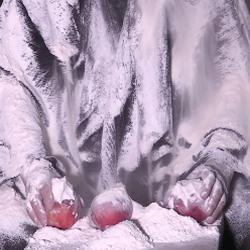 Table and Territory / Table et Territoire
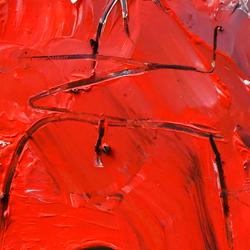 Looking Into The Window
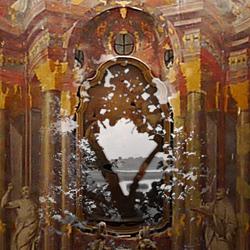 A Pilgrim Who Returns
 Gočár Phenomenon
 ART SAFARI 35 – HYDRANT
 24h PERFORMANCE
 Through the Landscape of K. H. Mácha
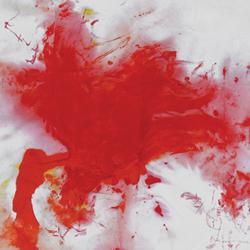 NMHTÍ
NMHTÍ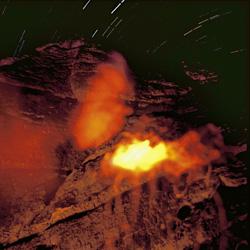 IDENTITY
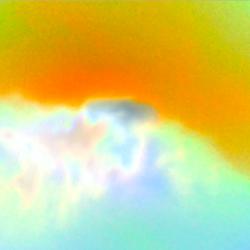 Homeplace & Kunka Phenomenon
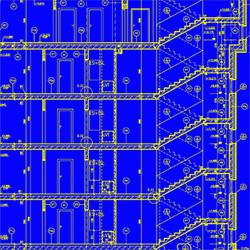 ↗ ASCENT ↙ DESCENT / performance art event
 Parallel cinema / Stream, Tree and Stone
 Ji.hlava
 TRA DUE MONDI
 Pilgrims, Refugees, Hermits
 The Naked Forms Festival (FNAF)
 Sounds / Codes / Images - Audio Experimentation in the Visual Arts
 rivers, streams, puddles
 IL SORRISO DEL LEONE / VENICE TELEPATHIC BODIES
 Performance Crossings 2019
 THEATRUM MUNDI III
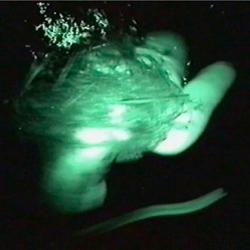 AQVA MUO
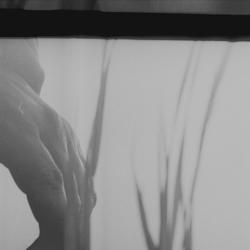 Early Manifestations of Action Art in East Bohemia
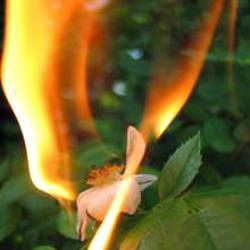 Yellow Rose Fragrance
 WÄRMFLASCHE
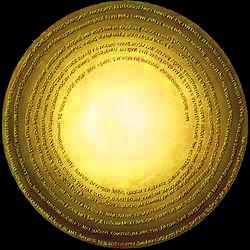 ART SPACE ECOLOGY
 Architecture and Senses
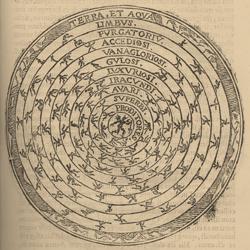 THEATRUM MUNDI II
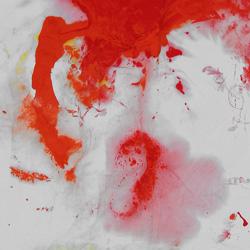 OPERA CORCONTICA
 PRAGUE WILDERNESS – LANDSCAPE FESTIVAL PRAGUE 2018
 Energy of the initial line – gesture, rhythm, movement in contemporary Czech art
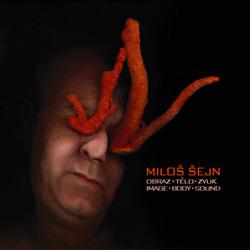 IMAGE / BODY / SOUND
 EVERY WANDERING ENDS IN THE BEGINNING
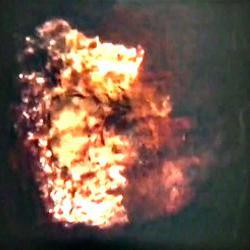 (Post)Land Art and the Anthropocene
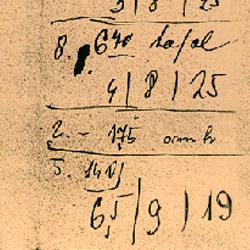 CS CONCEPTUAL ART OF THE 70s
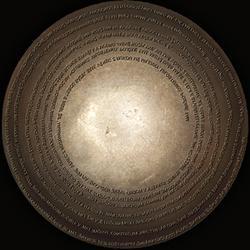 SONIC SOLAR MOUNTAIN
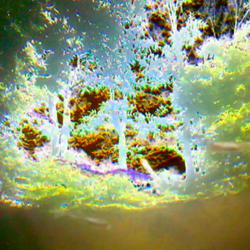 Bohemiae Rosa
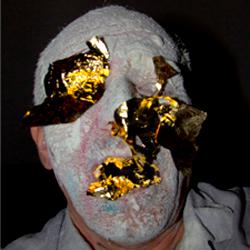 HOW TO EXPLAIN IMAGES TO AN INVISIBLE INTERSPACE
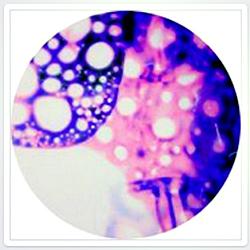 LAPSody 2017 – The Bubble
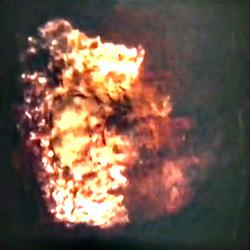 ALCHEMIC BODY | FIRE . AIR . WATER . EARTH
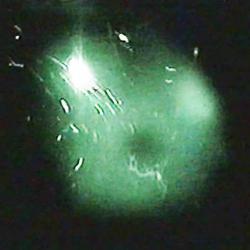 LIQUID ROOMS / THE LABYRINTH
 LANDSCAPE
 The Landscape, Art and Photography | Contemporary Artworks in the Landscape
 Branches | Nature art – variations
 AGARA / Hommage à la Peinture
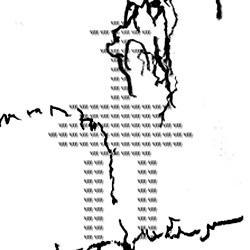 SPEECH MELODIES
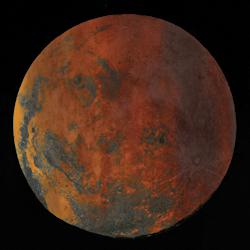 SELÉNÉ / BECOMING A LUNAR FACE TELEPATHICALLY
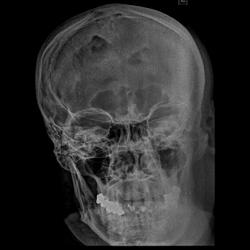 FACIALITY
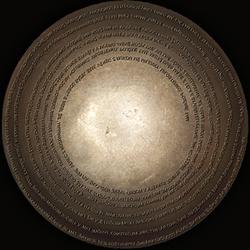 SOLAR MOUNTAIN
 MICHALEK / ŠEIN
 IL SORRISO DEL LEONE
 FACIALITY / Space of the Memory and an Immediate Space
 Faces / Face as the phenomenon in videoart
 ARCHIVES & CABINETS
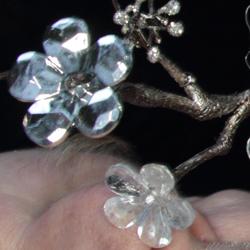 The Written Face for SU-EN
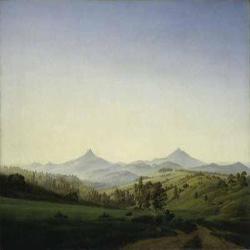 Finally Together
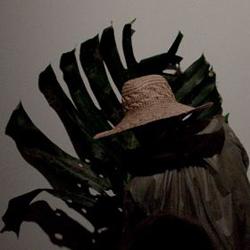 B/L – Dedicated to Carolus Linnaeus
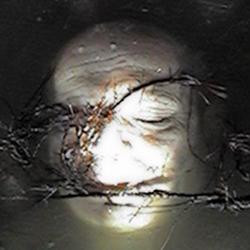 BEING LANDSCAPE
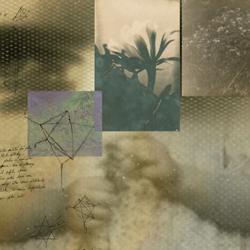 Gardening
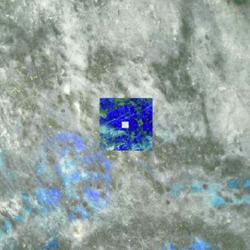 Cartusiae Waldiczensis
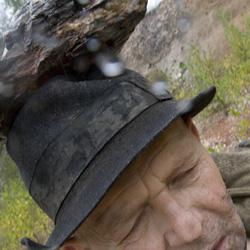 LANDSCAPE UNDER TOTALITARIAN
09.12.2025 - 08.02.2026
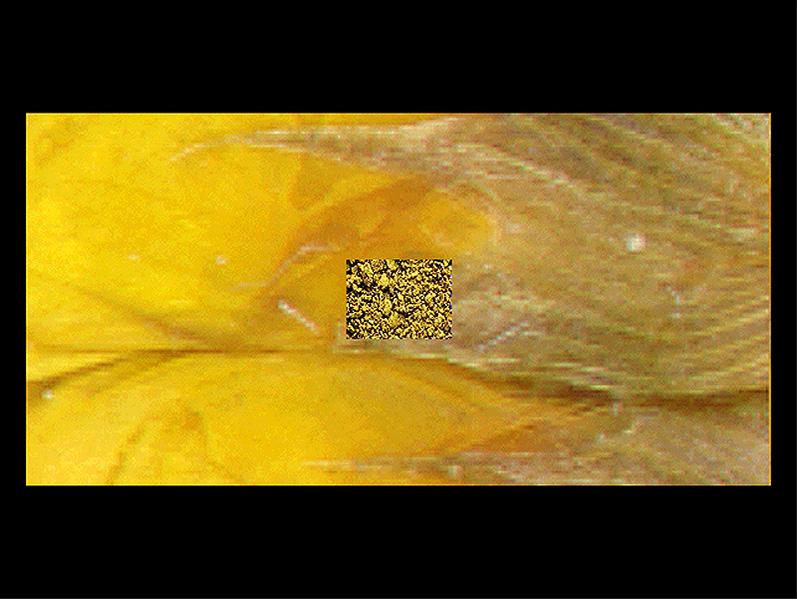
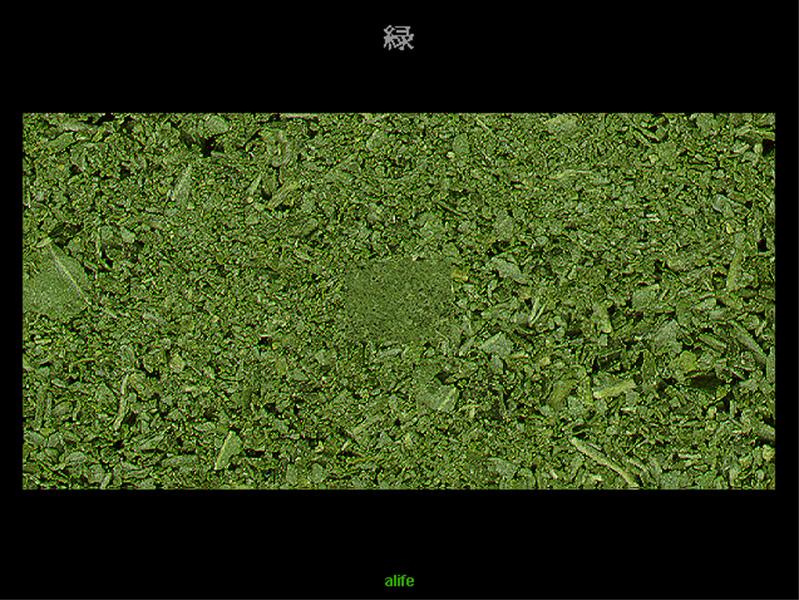
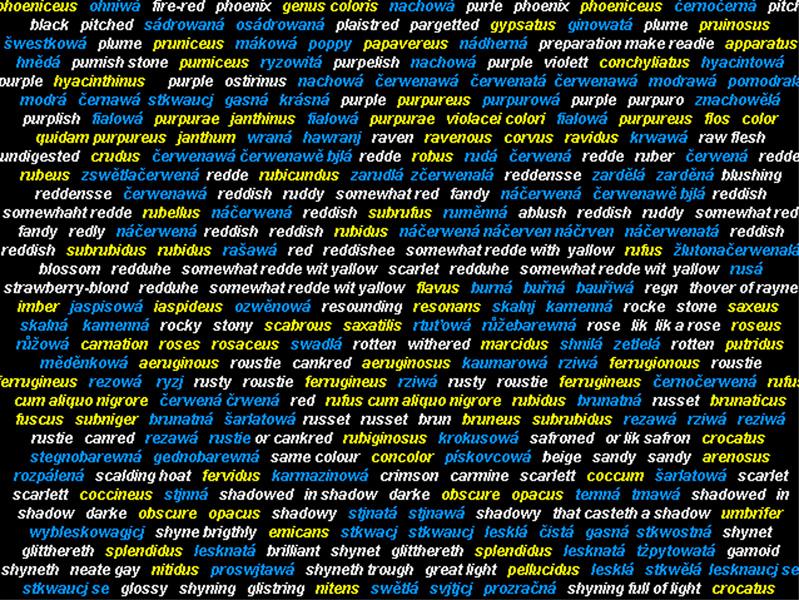
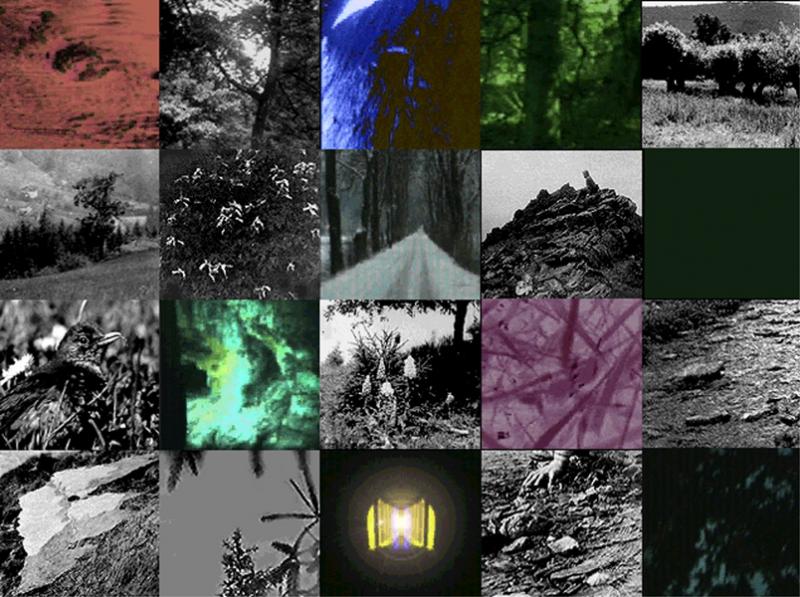
https://issuu.com/nvbes/docs/1999_colorvm_natvrae_varietas_by_milos_sejn
 Academy Archives
Miloš Šejn | Českých Bratří 312 | CZ-50601 Jičín | T +420 723 701 658 | milos [at-sign] sejn.cz